Selecting the Best Custom Home Builder: Essential Factors to Evaluate
Choosing the most suitable custom home builder is a pivotal consideration that can substantially impact the outcome of a construction project. Several aspects, such as the construction professional's track record, professional standing, and communication style, serve vital functions. Understanding one's own goals and requirements is just as vital. As potential homeowners review these components, they must also evaluate design flexibility and cost transparency. All aspects merit detailed assessment, encouraging a deeper look of what ultimately determines a contractor the best match.
Investigating Builder Experience and Reputation
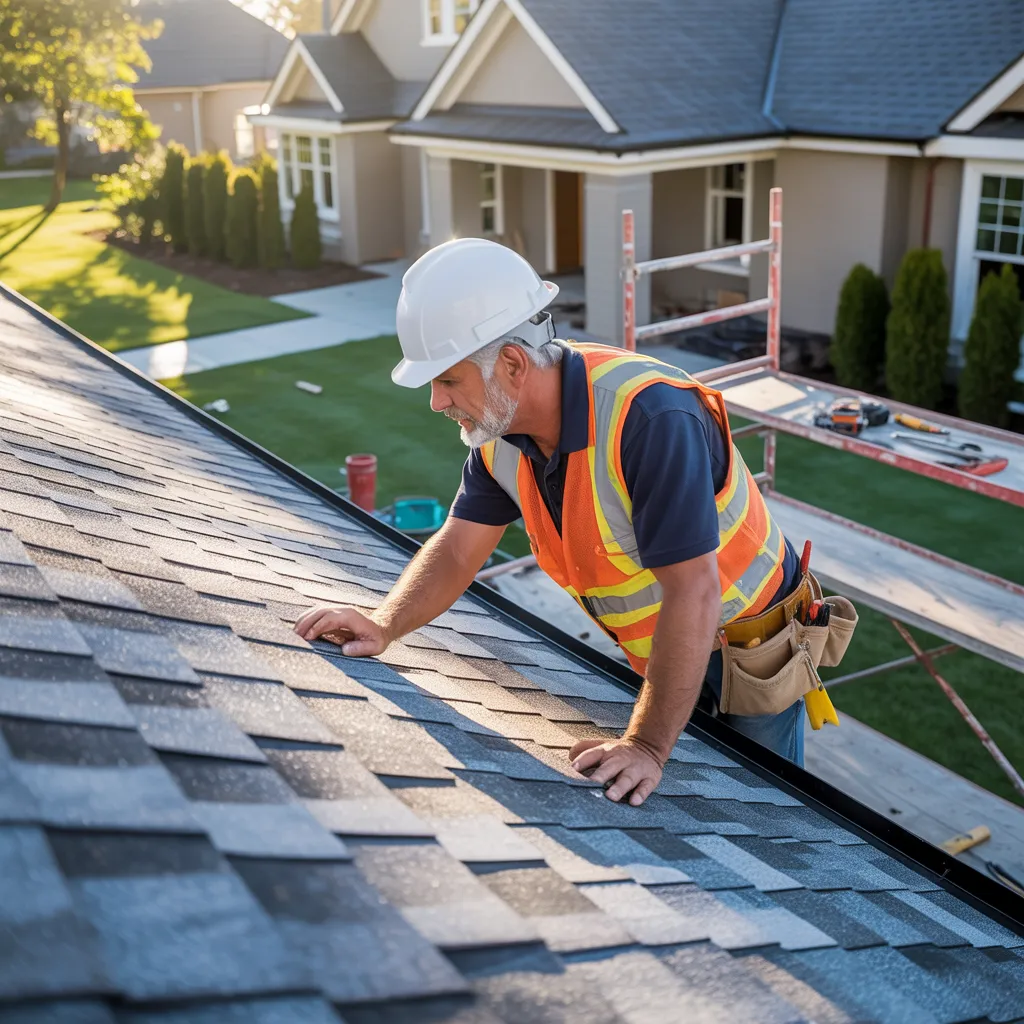
When choosing a custom homebuilder, examining their experience and reputation is vital. A builder's track record can provide valuable insights into their dependability and workmanship. Prospective homeowners should seek out builders with a record of completed projects that correspond to their desired style and quality. Reviewing online feedback and testimonials can uncover the perspectives of past clients, highlighting strengths and weaknesses.
Furthermore, it is helpful to check any trade certifications or associations, as these typically reflect a adherence to professional practices. Consulting with local real estate professionals or touring finished properties can also offer perspectives on a contractor's portfolio. Researching details about how long a builder has been in business can further guide your choice, as extended operation often indicates consistency and proficiency. Overall, detailed analysis of a builder's qualifications and reputation lays a solid foundation for a positive building endeavor.
Comprehending Your Vision and Requirements
What steps can homeowners take to clearly communicate their vision and requirements when embarking on a custom home project? Being precise and clear is vital. Homeowners should begin by defining their lifestyle requirements, such as family size, daily routines, and future plans. This core understanding plays a significant role in determining the layout and functionality of the home. Tools such as inspiration boards or sketches can further help in communicating particular design preferences, from architectural styles to color schemes.
Additionally, outlining budgetary boundaries empowers construction professionals to provide feasible choices without undermining the client's aspirations. Regular reflection on core goals assures that the development initiative keeps pace with evolving needs. Engaging in transparent dialogues with all stakeholders can more precisely define concepts, confirming all considerations are addressed. Above all, a thoroughly expressed framework operates as a foundational roadmap, allowing construction professionals to convert initial concepts into tangible realities while nurturing a collaborative partnership throughout the project lifecycle.
How to Measure Builder Communication and Team Dynamics?
Strong communication and team dynamics are vital considerations when evaluating a custom home builder. Evaluating initial response times, analyzing communication styles, and observing team collaboration dynamics can provide valuable insights into a builder's operational effectiveness. By concentrating on these critical factors, clients can more confidently identify whether a builder is the right fit for their construction goals.
Initial Response Time
Prompt communication acts as a key measure of a builder's expertise and collaborative approach. When evaluating custom home builders, potential clients should carefully observe early response times. A builder who promptly acknowledges inquiries reflects appreciation for the client's time and an eagerness to move forward. Fast response times typically signal an efficiently managed team that places customer care at the forefront. However, communication delays can suggest possible concerns within the contractor's business practices, including insufficient personnel or ineffective organizational strategies. Potential clients should carefully monitor response rates during preliminary engagements, because this delivers important information about the contractor's working style and consistency throughout the building experience.
Communication Style Assessment
How can clients evaluate a builder's communication approach and collaborative skills? Future homeowners can start by assessing early exchanges. Speed of responses and precision in shared information serve as vital signs. Arranging an in-person meeting or telephone conversation can additionally uncover the builder's communication style. Paying attention to how attentively the builder hears client needs and presents solutions is important. Furthermore, clients ought to ask about the builder's favored communication methods—such as email, phone calls, or direct meetings—as these can shape project interactions. Gathering testimonials or reviews from previous clients may also provide insights into the builder's effectiveness in maintaining open lines of communication. At the conclusion of this evaluation, recognizing these factors helps secure a joint and clear building journey.
Team Collaboration Dynamics
Grasping a builder's communication style establishes the foundation for evaluating how teams work together. Effective collaboration copyrights on open and steady communication across all team members, including subcontractors, architects, and suppliers. Prospective homeowners should assess how the builder promotes communication during construction meetings, making sure every participant is heard. Observing the responsiveness of the builder to inquiries and issues can reflect their commitment to teamwork. Moreover, examining previous projects and customer feedback may provide insights into the builder's skill in building a collaborative working environment. A cooperative work setting commonly produces more efficient project delivery, minimizing delays and misunderstandings. Ultimately, a builder's attitude toward collaboration can significantly influence the complete success of the bespoke home building process.
Assessing Design Flexibility and Customization Choices
When evaluating a custom home builder, evaluating flexibility in design and available customization is crucial, as these factors greatly influence the overall contentment with the finished home. A builder's willingness to adapt designs according to specific preferences can substantially elevate the homeowner's experience. Future clients should inquire about the selection of design possibilities available, including floor plans, materials, and finishes.
Furthermore, it is vital to assess how the builder incorporates innovative features and modern technologies, which can improve both functionality and aesthetic appeal. Property owners should also examine the constructor's completed projects, reviewing how well they have handled customized demands in the past. Open communication regarding design concepts and the capacity to alter plans during the development process can further reflect a builder's commitment to customization. At the end of the day, detailed examination of these considerations assures that the chosen construction professional corresponds to the client's vision and personal requirements.
Validating Licenses and References
Alongside licenses seeking references from previous clients is vital. Satisfied clients often provide insights into the builder's work ethic, quality of craftsmanship, and adherence to timelines. Homeowners should request a list of recent projects and reach out to these references for candid feedback. Online reviews and testimonials can supplement this information, offering a broader view of the builder's reputation. By diligently validating licenses and references, homeowners can arrive at confident choices and secure a rewarding working relationship in their custom home building experience.
How to Compare Pricing With Custom Home Builders
When comparing pricing with custom home builders, it is important to be aware of the various cost frameworks they use. Asking for itemised quotes enables potential clients to examine an itemised breakdown of expenses, ensuring transparency. Furthermore, reviewing inclusions alongside exclusions can reveal significant differences in value among home builders.
Understand Pricing Structures
How does one successfully manage the various pricing structures presented by custom home builders? Understanding these structures is vital for making informed comparisons. Contractors commonly offer pricing in different formats, such as firm-price agreements, cost-plus contracts, or design-build contracts. A set-price contract offers a transparent sum from the start, limiting unforeseen expenses, while cost-plus agreements bill the real expenses along with a service fee, potentially leading to higher overall expenses. Design-build contracts simplify the workflow by merging design and building phases, but costs may fluctuate significantly depending on the project scope. It is essential to scrutinize what is included in each pricing model, such as provisions for materials and workforce costs. By fully comprehending these models, potential homeowners can make more informed decisions pertaining to their personalized home construction project.
Obtain Detailed Estimates
Requesting thorough bids from custom home builders is vital for informed price assessment. These estimates should outline expenses related to labor, materials, permits, and supplementary charges. By collecting several quotes, prospective homeowners can detect variations in costs and understand the scope of the services offered by each builder. It is important to ensure that estimates are derived from the same specifications to facilitate an precise comparison. Contractors might provide multiple choices, from budget to premium materials, influencing total expenses. Future homeowners should also request information on billing timelines and any unforeseen expenses that may arise during the project. A detailed review of these bids can highlight not only financial commitments but also the level of transparency and professionalism of each construction company.
Compare Inclusions and Exclusions
What factors should homeowners consider when reviewing what custom home builders include and exclude? Initially, homeowners must establish what particular elements are covered in the base price, such as cabinetry, flooring, and fixtures. Homeowners should scrutinize the quality and brands of these inclusions, as they can substantially affect overall satisfaction and long-term value. Furthermore, gaining clarity on exclusions is essential; these are charges that might surface at a later stage, such as site improvements or upgrades. It is recommended that homeowners obtain detailed lists from several builders to enable a thorough comparison. Furthermore, assessing the personalization options provided within each builder's package can reveal potential hidden costs or savings. At the end of the day, a detailed comparison can direct homeowners toward making a knowledgeable decision that corresponds with their budget and expectations.
Understanding Warranties and Post-Construction Support
A feeling of assurance commonly follows the commitment to build a custom home, particularly when considering warranties and post-construction support. Homebuyers should expect comprehensive warranties that protect against structural integrity, major systems, and materials used in construction. In most cases, these warranties span for a specific period, ranging from one to ten years, ensuring protection against faults and concerns that might emerge.
Post-construction assistance is just as crucial, associated article as it provides homeowners with assistance after the project is completed. Construction teams should establish a well-defined procedure for addressing concerns, performing routine maintenance inspections, and managing necessary repairs. Effective communication is vital during this phase, as it builds a foundation of trust and guarantees that homeowners receive the attention they deserve.
Ultimately, understanding the nuances of warranties and post-construction support can significantly impact a homeowner's overall confidence and contentment, making it an essential consideration when deciding on a custom home builder.
Popular Questions We Receive
How Much Time Does the Custom Home Building Process Typically Require?
The process of building a custom home usually spans between six months to over a year, depending on factors like design complexity, permitting, weather conditions, and the builder's experience, each of which can significantly impact the overall timeline.
What Are Typical Pitfalls to Watch Out for When Picking a Builder?
Common pitfalls to avoid when selecting a builder include overlooking the importance of checking references, ignoring the specifics of the contract, failing to communicate expectations, ignoring past project quality, and failing to assess the builder's familiarity with particular design styles or materials.
Am I Able to Alter My Design During the Construction Process?
Certainly, modifications to the design are possible during the construction phase, but these modifications might cause setbacks and increased costs. It's crucial to communicate clearly with the builder to understand the implications of any modifications on the project timeline and budget.
What Financing Options Are Available for Custom Home Builds?
Several financing options are available for custom home builds, including conventional mortgages, construction loans, and FHA loans. Prospective homeowners should explore these avenues, carefully weighing interest rates, terms, and eligibility factors before arriving at a final decision.
How Do Builders Handle Unexpected Issues During Construction
Contractors commonly tackle unanticipated challenges throughout the building process by assessing the situation, communicating with the homeowner, and executing appropriate fixes. Builders regularly revise schedules and financial plans in response, guaranteeing clear disclosure and maintaining project integrity at every stage.
Comments on “Why a Custom Home Builder Delivers Unique Homes”